Moving to Chattanooga, TN: Essential Tips for 2026
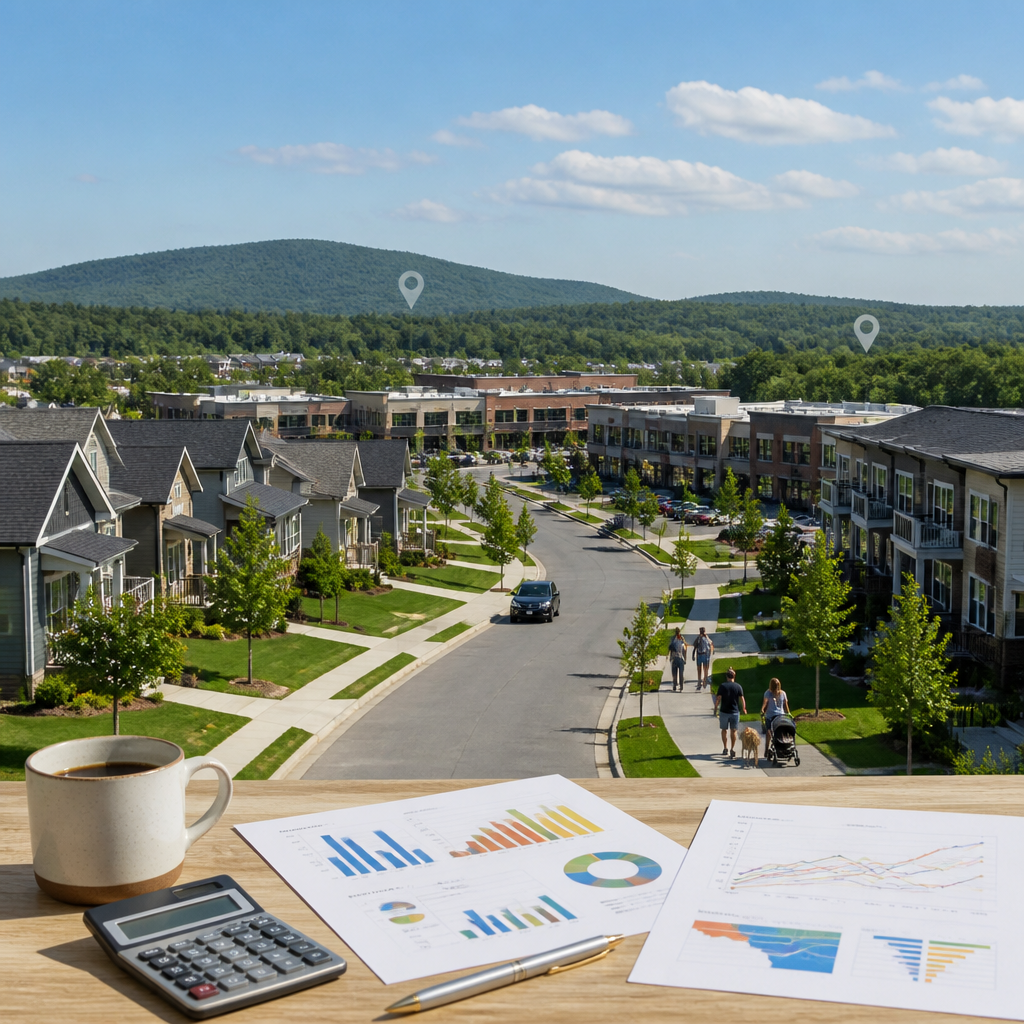
Moving to Chattanooga TN in 2026 means entering a mid-sized city with big-city amenities and mountain-town scenery. According to the U.S. Census Bureau, Chattanooga’s population sits near 184,000, within a metro area above 570,000. That scale supports an active employment base, diverse housing, and a growing cultural scene along the Tennessee River. New arrivals often focus on commute patterns, school options, and outdoor access, all of which vary significantly between downtown, North Shore, East Brainerd, and suburbs like Hixson and Signal Mountain.
What neighborhoods in Chattanooga fit different lifestyles best?
Neighborhood choice shapes daily life for anyone moving to Chattanooga TN. Downtown and the Southside corridor around Market Street and Broad Street favor professionals who want walkable access to the Tennessee Aquarium, Miller Plaza, and restaurants near Station Street. The North Shore, centered on Frazier Avenue and Coolidge Park, appeals to residents seeking coffee shops, boutique retail, and quick access across the Walnut Street Bridge. East Brainerd and the Hamilton Place area near Hamilton Place Mall provide larger subdivisions, newer construction, and straightforward access to Interstate 75.
Families often target North Chattanooga and Hill City due to access to Normal Park Museum Magnet School and proximity to Stringers Ridge. According to GreatSchools, Normal Park holds a rating around 9 out of 10, which keeps demand high for nearby streets such as Forest Avenue and Hamilton Avenue. Upscale river and mountain views draw others toward Riverview, Lookout Mountain, and Signal Mountain, where homes on Ochs Highway and James Boulevard trade mountain driving for dramatic vistas.
On a clear evening in the Southside, the glow from Edison bulbs at Flying Squirrel and the hum of conversation on East Main Street carry down to Sculpture Fields at Montague Park. The smell of wood-fired pizza from Alleia mixes with the metallic scent of recent rain on the old rail lines near Chattanooga Choo Choo. Street murals along Rossville Avenue catch the last orange light, while passing freight trains add a slow, rhythmic backdrop that defines the district’s atmosphere.
Buyers focused on school campuses frequently evaluate signalized access and traffic around Baylor School and McCallie School, which sit southwest and east of downtown, respectively. According to enrollment snapshots from Baylor School and McCallie School, combined student bodies approach roughly 1,800–2,000 learners. That concentration influences morning traffic on Hixson Pike, Dodds Avenue, and Amnicola Highway, so commute assessments should factor school drop-off patterns as much as distance in miles.
How does Chattanooga’s cost of living and housing market compare in 2026?
Cost of living trends are central when planning a move. According to the Chattanooga Area Chamber of Commerce, overall cost of living scores hover around 90–92 on a U.S. baseline of 100, indicating costs roughly 8%–10% lower than national averages. Housing costs contribute significantly, with many households able to trade smaller urban units elsewhere for larger properties near Hixson, Red Bank, or East Ridge without dramatically expanding budgets.
Housing prices remain dynamic. According to Realtor.com data through early 2026, entry-level single-family homes in Chattanooga often fall in the range of $250,000 to $375,000, while premium riverfront or mountain-view properties can reach or exceed $1,000,000. A handful of luxury estates near Riverview and on Lookout Mountain approach the $2.4M mark, driven by lot size, architectural quality, and panoramic Tennessee River views.
Renters studying moving to Chattanooga TN typically weigh downtown lofts against larger suburban townhomes. Based on surveys from Zumper, one-bedroom apartments across the city average around $1,200–$1,350 per month as of early 2026, with two-bedroom rents often between $1,450 and $1,800. Newer complexes near Hamilton Place and Shallowford Road skew toward the upper end of that range, reflecting amenities such as pools, clubhouses, and structured parking.
Property taxes also influence total carrying cost. According to Hamilton County data summarized by the Tennessee Comptroller, combined effective property tax rates in the Chattanooga area typically sit near 0.8%–1.0% of assessed value, below many coastal metros. Combined with Tennessee’s 0% state income tax, that structure can offset higher homeowners association dues in some planned communities in Ooltewah, East Brainerd, and Apison.
What should newcomers know about jobs, commuting, and transportation?
Employment options for those moving to Chattanooga TN span manufacturing, logistics, healthcare, and tech. According to the Bureau of Labor Statistics, the Chattanooga metro unemployment rate has recently hovered around 3%–4%, reflecting a relatively tight labor market. Employers such as Volkswagen in nearby Enterprise South, BlueCross BlueShield of Tennessee near Cameron Hill, and Erlanger Health System anchor thousands of jobs within 10–20 minutes of downtown.
Commute patterns remain manageable by big-city standards. The American Community Survey shows average one-way commute times for Chattanooga residents near 20–22 minutes. Routes along Interstate 24, U.S. 27, and Highway 153 carry the heaviest volume, particularly around the Ridge Cut and the interchange near Amnicola Highway. Those working downtown often prefer North Shore, St. Elmo, and Highland Park, where surface street options minimize interstate exposure.
Public transit is modest but expanding. According to Walk Score, Chattanooga scores around 29 for walkability citywide, but downtown pockets near MLK Boulevard and Georgia Avenue reach the 80s. CARTA operates bus routes and a free electric shuttle that links the North Shore, Tennessee Aquarium, and Chattanooga Choo Choo, helping reduce parking needs around Riverfront Parkway and Aquarium Way during events.
Morning at Coolidge Park often begins with the soft rush of the Tennessee River sliding past the curved shoreline and the faint clang of bicycles crossing the Walnut Street Bridge. The air carries roasted coffee aromas from Milk & Honey on North Market Street and the sweetness of pastries from Neighbor Hood Bakery. Joggers feel the cool mist rising from the lawn near the antique carousel, while the dark blue ridges of Signal Mountain frame the skyline beyond the metal trusses overhead.
How do schools and outdoor recreation options shape daily life?
Families moving to Chattanooga TN often place schools at the center of decision-making. In addition to Normal Park Museum Magnet School, institutions such as Chattanooga School for the Arts & Sciences downtown and STEM School Chattanooga near Amnicola Highway broaden public choices. Private options include Girls Preparatory School on Island Avenue, Baylor School along the Tennessee River, and McCallie School off Dodds Avenue. These campuses draw students from within a 30- to 40-mile radius, influencing traffic on nearby streets every weekday morning and afternoon.
Outdoor recreation defines much of Chattanooga’s identity. The tourism bureau Visit Chattanooga notes more than 50 trailheads within roughly a 45-minute drive, including routes at Stringers Ridge, North Chickamauga Creek Gorge, and Raccoon Mountain. Residents frequently plan weekends around hiking Sunset Rock on Lookout Mountain, biking along the 16-mile Tennessee Riverwalk, or paddling segments of the Tennessee River Blueway from Ross’s Landing to the Chickamauga Dam.
Local parks support everyday routines as much as destination hikes. Coolidge Park and Renaissance Park front the river on the North Shore, while Miller Park and Miller Plaza provide green relief among downtown towers on Market Street. Heritage Park in East Brainerd, Red Bank City Park on Dayton Boulevard, and St. Elmo Park near Alabama Avenue offer playgrounds, dog runs, and ballfields that keep neighborhood life anchored within a 5- to 10-minute drive for many households.
Education and recreation overlap at sites like Reflection Riding Arboretum & Nature Center on Garden Road, which combines environmental education with walking trails and Lookout Creek access. According to program listings from Reflection Riding, seasonal events can draw 500–1,000 visitors over a weekend, reinforcing how learning, conservation, and leisure converge in the Chattanooga region.
What practical steps help a 2026 move to Chattanooga go smoothly?
Successful relocation to Chattanooga in 2026 benefits from structured planning around utilities, services, and timelines. Electric service through EPB, water through Tennessee American Water, and gas through Chattanooga Gas typically require deposits ranging from about $75 to $200, based on policies cited by each provider’s online guidelines. Establishing accounts at least 7–10 days before arrival helps ensure service activation before move-in, particularly in peak summer months when temperatures routinely reach the upper 80s and low 90s.
Moving companies with local Chattanooga bases often book out several weeks in advance. According to pricing snapshots from Moving.com, in-town moves under 50 miles commonly range from roughly $600 to $1,300, depending on truck size and labor hours. Long-distance relocations into Hamilton County scale higher, especially when transporting belongings into multi-story condos around Riverfront Parkway or dense streets near Fort Wood and UTC’s campus.
Vehicle registration and licensing are straightforward but time-sensitive. Hamilton County Clerk offices on Riverfront Parkway and in Bonny Oaks process most transactions. According to the Tennessee Department of Revenue, new residents generally must update vehicle registration within about 30 days of establishing residency, with standard passenger plates costing in the neighborhood of $26.50 annually plus local fees, which vary by county.
Pet owners should note local regulations and green space access. Chattanooga has several off-leash dog parks, including Heritage Dog Park in East Brainerd and Barking Lot in Renaissance Park. Rabies vaccinations and licensing requirements are listed through Hamilton County Health Department resources, which outline intervals such as every 1 or 3 years depending on vaccine type. Access to veterinarians along Hixson Pike, Gunbarrel Road, and Signal Mountain Road ensures routine care within a short drive from most residential pockets.
The 184,000-person city figure cited at the start of this guide reflects a scale large enough to sustain diverse jobs yet compact enough for manageable commute times. That same population number from the opening underscores why neighborhood selection, school planning, and outdoor priorities deserve attention before a relocation decision. The Greater Chattanooga Realtors market reports provide detailed monthly snapshots of new listings, median ranges, and inventory shifts across Hamilton County. Buyers who register listing alerts through that platform and commit to touring promising homes within 48 hours of activation before the late-spring surge in May typically secure stronger terms and broader choices, while those who delay into midsummer often confront tighter inventory, faster bidding, and fewer contingencies.